

Legal Support on Sanctions Matters: Navigating Complex Compliance Rules
In an increasingly interconnected world, the necessity for legal support on sanctions matters has become paramount for businesses engaged in international trade. Sanctions are restrictive measures imposed by governments or international bodies to address various geopolitical issues, and they can have profound implications for companies operating on a global scale. This article explores the role of legal support in navigating these complexities, the various types of sanctions, and how organizations can effectively manage their compliance obligations.
Understanding Sanctions: Types and Implications
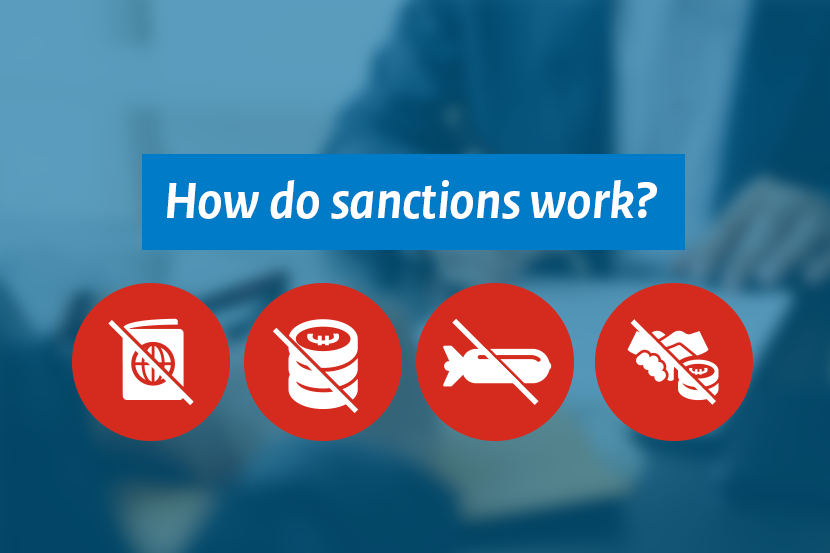
Sanctions can be categorized into several types, including economic sanctions, trade sanctions, and military sanctions. Economic sanctions restrict financial transactions, affecting a country’s economy directly. Trade sanctions can impose restrictions on the import and export of goods and services, while military sanctions often include arms embargoes or restrictions on military support. Understanding these types of sanctions is crucial for organizations to navigate international trade regulations effectively.
The implications for businesses can vary widely. For instance, violating sanctions can result in hefty fines, restrictions on doing business, reputational damage, and even criminal charges against individuals within the company. Therefore, legal counsel specialized in sanctions law can offer invaluable services in ensuring compliance and protecting organizational interests.
The Role of Legal Support in Sanctions Compliance
Legal support in sanctions matters involves several key areas, including:
- Risk Assessment: Identifying potential exposure to sanctions and understanding the legal landscape.
- Due Diligence: Conducting thorough checks on partners, clients, or suppliers to ensure compliance with sanctions.
- Policy Development: Drafting and implementing compliance policies and procedures tailored to organizational needs.
- Training and Awareness: Educating staff on sanctions regulations and compliance requirements.
- Legal Advice: Providing ongoing legal advice on complex issues related to sanctions.
Risk Assessments: Paving the Way for Compliance
Conducting thorough risk assessments is a fundamental step in ensuring compliance with sanctions. Legal experts can help organizations identify the potential risks associated with various jurisdictions, industries, and types of transactions. A comprehensive risk assessment will include analyzing the products and services offered, the geographic areas of operation, and the customers or partners involved.
It’s crucial for businesses to maintain a proactive approach rather than a reactive one; after all, sanctions can change rapidly, and organizations must be prepared to adapt. Legal support can assist companies in developing frameworks to regularly review and update risk assessments in light of new regulations or geopolitical developments.
Due Diligence: Verifying Your Business Relationships
Due diligence is essential to ensure that companies are not unwittingly engaging in prohibited transactions. Legal advisors play a significant role in drafting procedures for conducting due diligence on customers, suppliers, and business partners. This includes checking lists of sanctioned individuals or entities and assessing the reputations of potential business partners.
A robust due diligence process can help in mitigating risks and provide evidence of compliance with sanctions regulations. Companies are encouraged to use automated tools and resources to enhance efficiency in the due diligence process, but these systems should always be complemented by qualified legal counsel.
Developing Compliance Policies and Procedures
Having well-defined compliance policies and procedures is essential for organizations operating in multiple jurisdictions. Legal support can assist in drafting clear policies that outline the company’s commitment to compliance and the specific steps employees must take to adhere to sanctions regulations.
Compliance policies should address various relevant topics, including:
- The importance of compliance with sanctions and related laws.
- Internal reporting mechanisms for suspected violations.
- Consequences of non-compliance for employees and the organization.
- Procedures for regular updates and training sessions.
Training and Awareness: Empowering Employees
Training employees on sanctions compliance is critical for mitigating potential violations. A well-informed staff is more likely to recognize red flags and escalate concerns appropriately. Legal advisors can develop training programs that provide employees with an understanding of sanctions, the significance of compliance, and how to identify and report potential issues.
Regular training sessions reinforce the organization’s commitment to compliance and keep employees updated on any changes in sanctions regulations. Incorporating real-world examples and case studies can enhance the training’s effectiveness and relatability.
Ongoing Legal Support: Navigating Changing Regulations
Sanctions regulations are constantly evolving due to the geopolitical landscape, making ongoing legal support essential for organizations. Legal experts specializing in sanctions law can provide updated information on regulatory changes and assist companies in adapting their compliance frameworks accordingly.
Regular consultations with legal advisers can help organizations stay ahead of the curve, allowing them to manage sanctions risks effectively and avoid penalties. In times of crisis, having legal support on hand can provide significant peace of mind and strategic guidance.
Conclusion: The Importance of Legal Support in Sanctions Compliance
The complexity of sanctions regulations makes effective legal support indispensable for organizations engaged in international trade. From conducting comprehensive risk assessments and due diligence to developing compliance policies and providing training, legal experts play a crucial role in navigating the ever-changing sanctions landscape.
Companies that prioritize legal support in sanctions matters can enhance their compliance posture, protect their reputations, and minimize the risk of penalties. In a world where non-compliance can have significant financial and operational implications, legal support is not just an advantage but a necessity in the realm of sanctions compliance.
Kommentare sind geschlossen.